
The Skills We Keep Needing: Why Durable Skills Still Matter
Over the years, I've had countless conversations with employers about what they value in their employees.
During my years working with college interns, we created opportunities for students to practice skills essential to workplace success. Communication, responsibility, teamwork, problem-solving, professionalism, and follow-through were all part of that preparation.
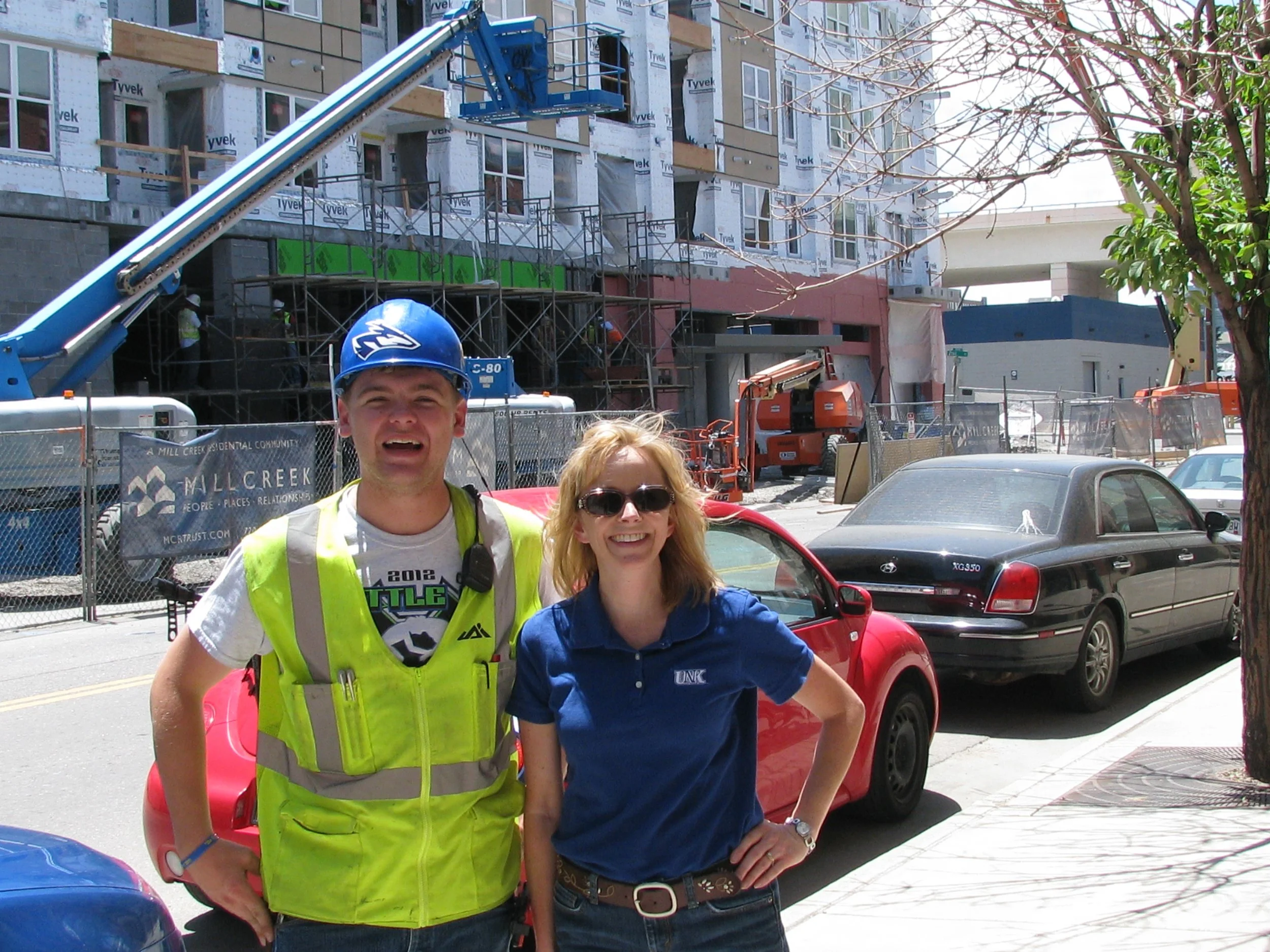



A look back at my years working with college interns and industry partners, where learning extended well beyond the classroom.
Employers often complimented our students' abilities in these areas. Even today, I occasionally hear similar comments from employers I worked with years ago.
A lot has changed since then. The technology, the tools, the workplace, and even the language we use to describe these skills.
But the need for them? Well, that has not changed.
Today, America Succeeds uses the term durable skills to describe human capabilities, often called soft skills, that remain valuable across jobs, industries, and changing circumstances. Their research highlights the continued demand for skills such as communication, leadership, collaboration, critical thinking, and character.
We hear so much about what is changing. Artificial intelligence, new technologies, evolving workplaces, and constant information can make us feel we need to reinvent ourselves just to keep up.
The world keeps changing. Yet our need to connect, communicate, and contribute remains.
While learning and adapting matter, are we overlooking the value of what has remained consistent?
People still need to listen. Communicate clearly. Build trust. Solve problems. Take responsibility. Work through differences. Follow through on commitments.
These skills may look different in practice than they did decades ago, but they continue to influence how we work, lead, and relate to one another.
And like any skill, they grow through awareness, intention, and practice.
This is one of the reasons I value strengths-based development. Our natural talents influence how we demonstrate and develop these skills.
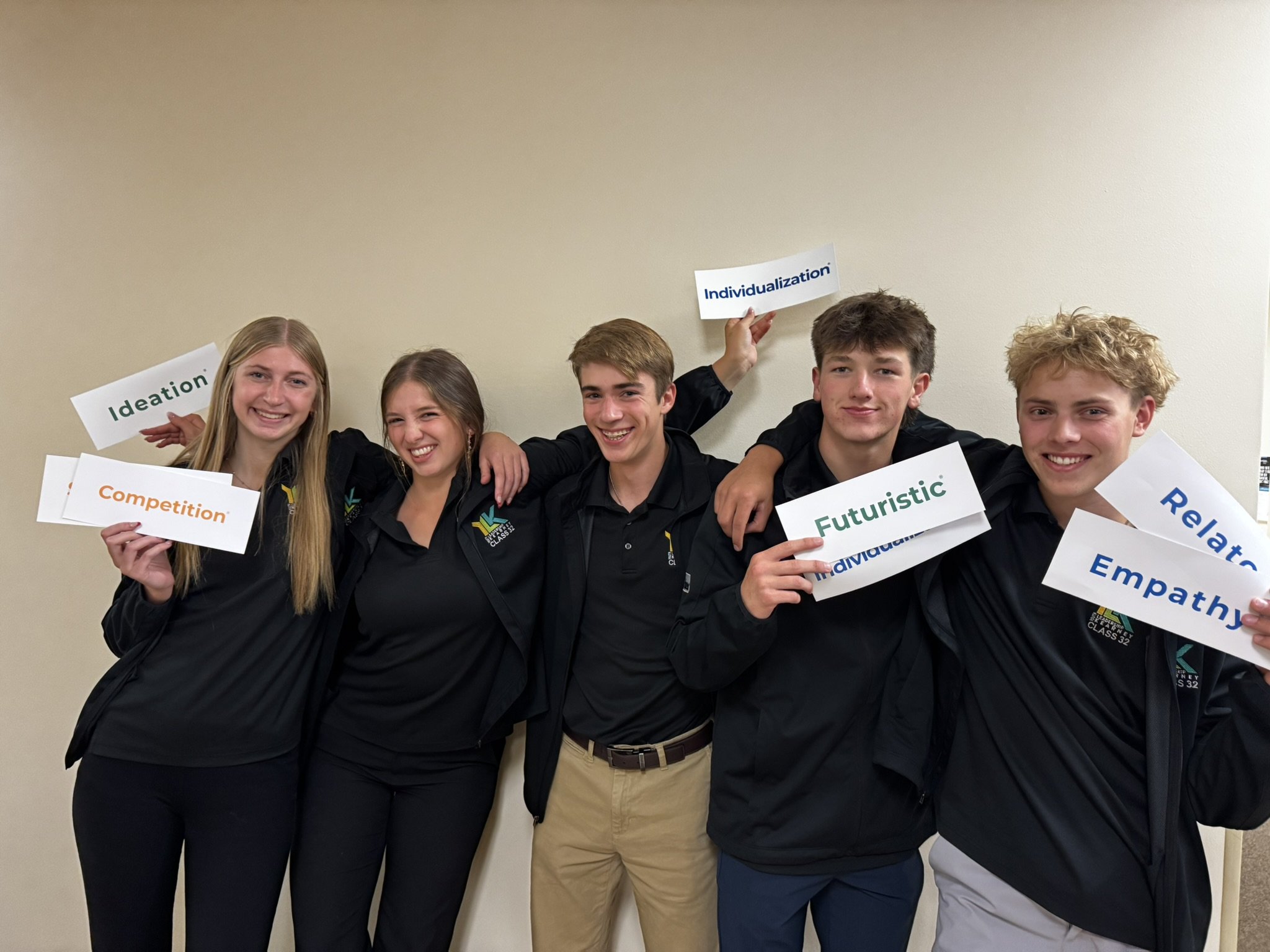
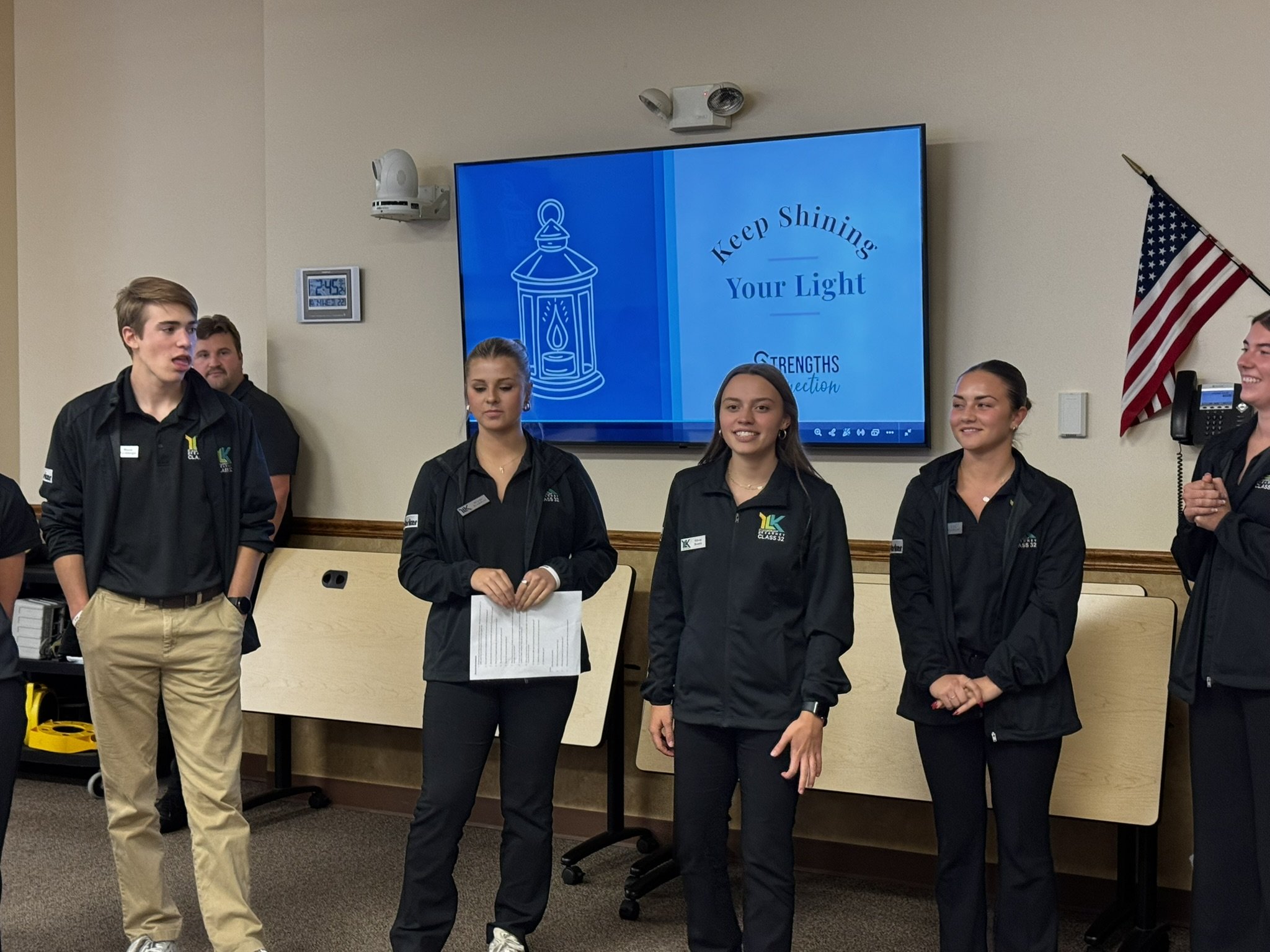
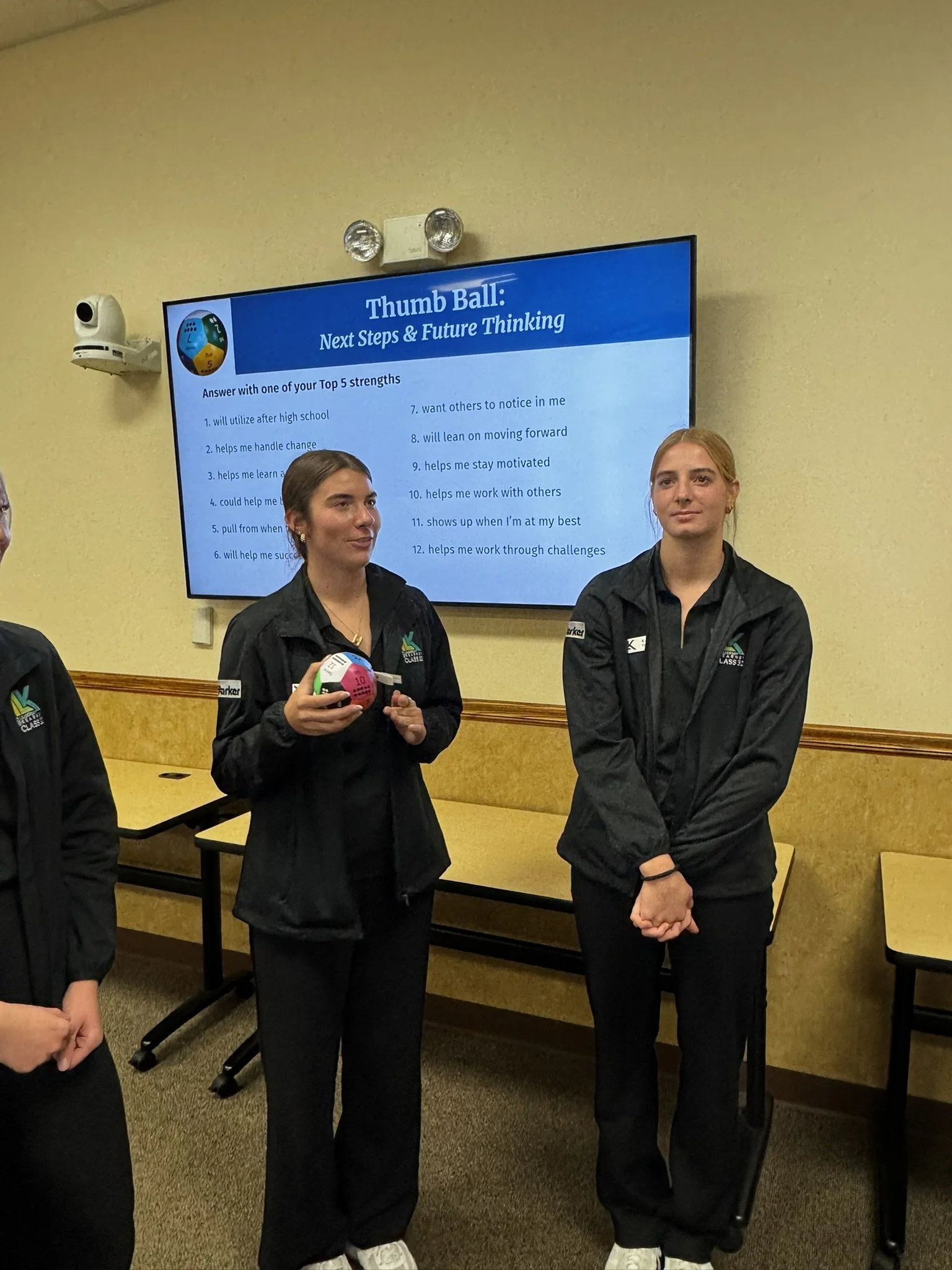
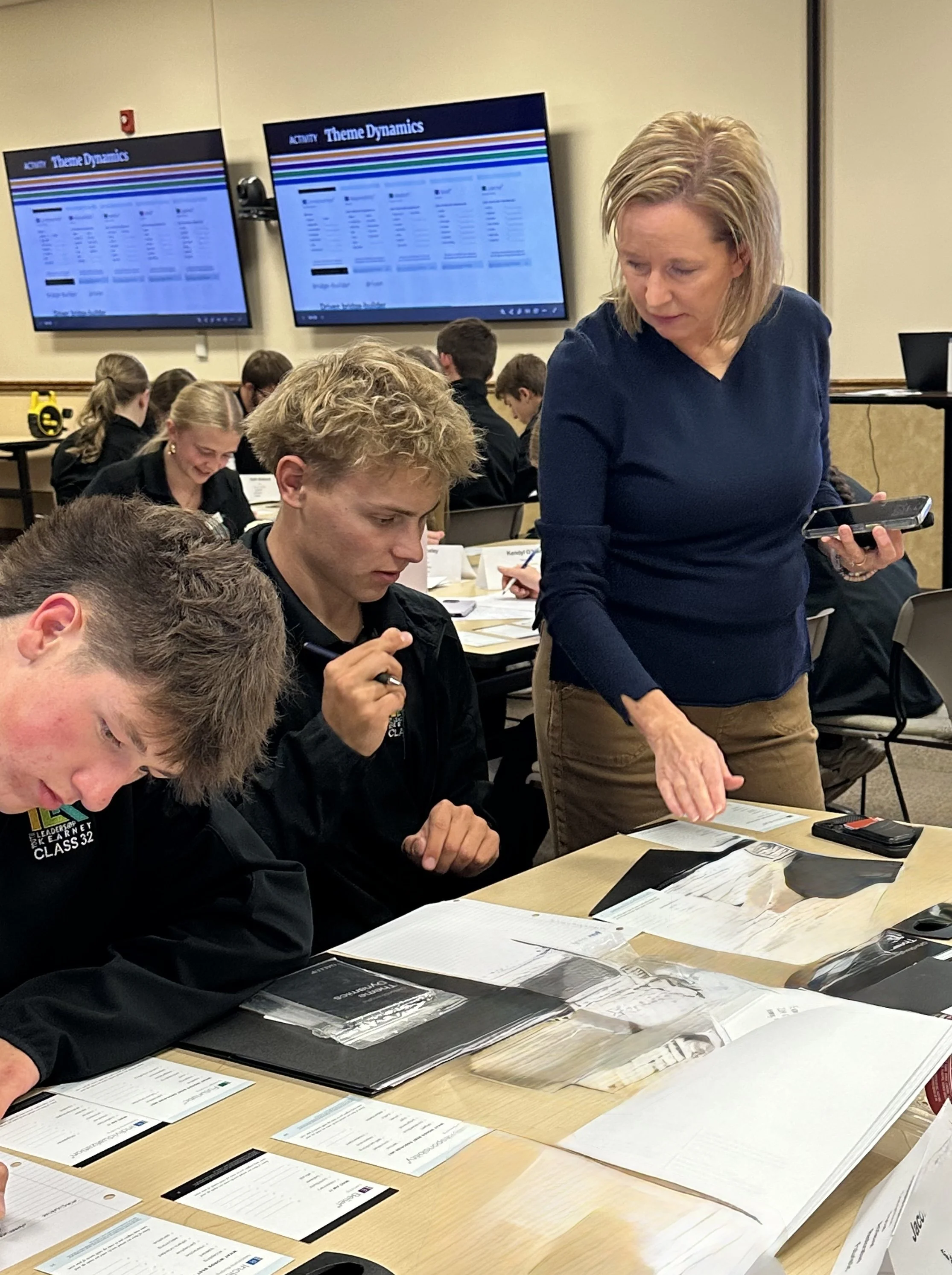
Continuing the journey with Youth Leadership Kearney, helping students discover their natural talents, recognize how those talents work together, and put them into practice.
Two people may both be effective communicators, yet one connects through thoughtful questions while another brings energy through storytelling and conversation. Leaders may achieve similar results, but one leads by building relationships while another excels at organizing people and moving plans forward.
There's no single way to contribute well.
Understanding our strengths helps us recognize what comes naturally and how we can continue to grow.
As I reflect on decades of teaching these skills, I'm reminded that growth doesn't always mean pursuing something new.
Perhaps one of the best ways to prepare for what's next is to keep investing in people and strengthening the skills that help us work and live well together.